Source Barber Shop Sofa for Hotels, Offices, and Waiting Areas
Explore 30 verified options for barber shop sofa designed for commercial spaces like hotels, offices, and waiting areas. Buyers can compare materials, sizes, and styles from suppliers in China to find the best fit for their business needs.
Key considerations
Products List
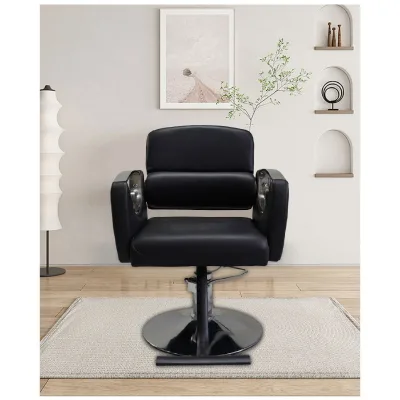
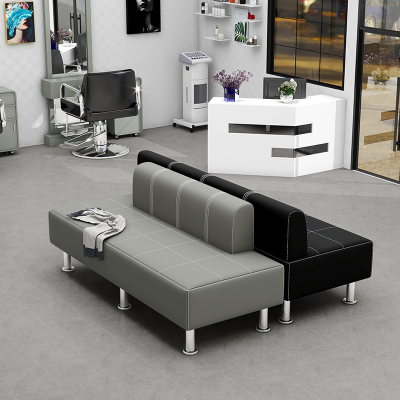
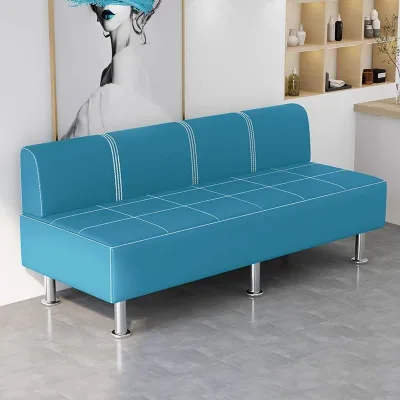

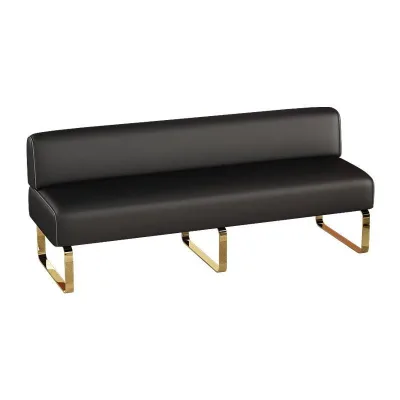
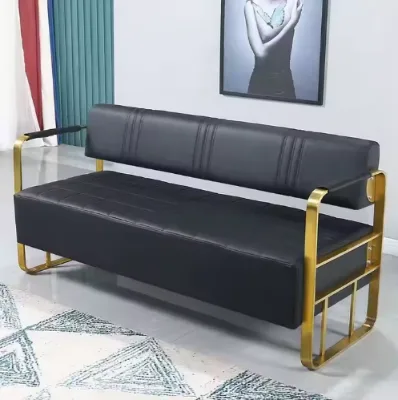
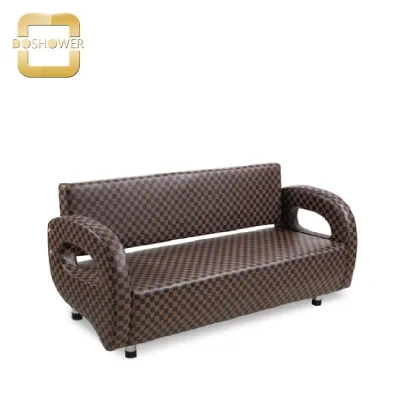
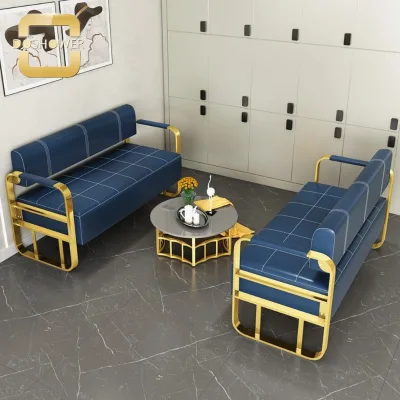
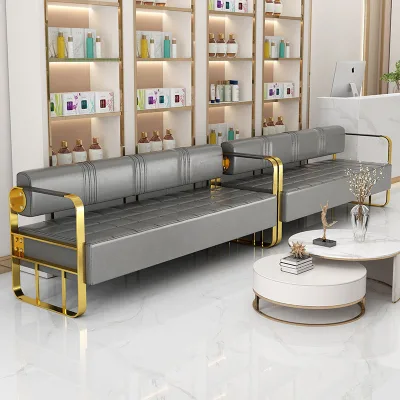




Comprehensive Sourcing Guide
Strategic Sourcing Guide for Barber Shop Sofa Procurement
Sourcing specialized furniture for commercial hair and beauty establishments requires a nuanced understanding of product attributes, supply chain logistics, and specific application requirements. The market for barber shop sofas is characterized by a diverse range of offerings, from single-item salon chairs to multi-seater waiting areas. Buyers must navigate a landscape where product definitions vary significantly between "Barber Chair" specific units and broader "Salon Furniture" or "Waiting Sofa" categories. This guide provides a structured approach to evaluating potential suppliers and products, grounded in observed market data and technical specifications.
Defining Product Categories and Functional Requirements
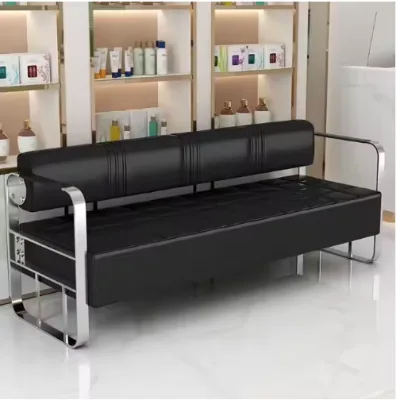
The first step in procurement is distinguishing between the specific functional needs of a barber shop. The market data reveals a clear bifurcation in product types. One segment focuses on the "Barber Chair" as a standalone unit, often associated with specific brands like "jiangpai" and constructed from materials such as "Leather." These items are typically designed for the primary service station, emphasizing ergonomics and durability for daily professional use. In contrast, another significant segment includes "Waiting Sofa" and "Public Area Furniture" solutions. These products, often labeled with keywords like "Waiting Chair" or "Reception Area," serve a different purpose: managing customer flow in the lobby or waiting zone.
When evaluating listings, buyers must scrutinize the "Specific Use" and "General Use" attributes. A product listed with "Specific Use: Barber Chair" and "General Use: Commercial Furniture" is distinct from a "Waiting Sofa" described with "Function: Public Area Furniture Sofa Bench." The latter often features larger dimensions, such as "150*55cm" or customized sizes, and may accommodate multiple seats, ranging from "2 people seat" to "4 people seat." The "Design Style" also varies, with options spanning "Contemporary" to "Modern," influencing how well the furniture integrates with the shop's aesthetic. Understanding these distinctions prevents the procurement of a waiting bench when a hydraulic barber chair is required, or vice versa.
Technical Specifications and Material Composition
Material selection is a critical determinant of longevity and maintenance costs in a high-traffic commercial environment. The observed product data highlights "Leather" and "Metal" as primary materials for specific chair units, while "Wood" appears in the composition of reception or waiting area furniture. For barber chairs, the "Leather" material suggests a focus on ease of cleaning and a premium aesthetic, which is essential for a salon environment where hygiene is paramount. Conversely, "Metal" frames are often cited for their structural integrity in waiting areas, supporting the "Durable" feature frequently mentioned in product descriptions.
Dimensions and customization are equally vital. The data indicates that "Size" is often "Customized," allowing buyers to tailor furniture to specific floor plans. However, standard dimensions do exist, such as the "150*55cm" specification for certain waiting units. Color options are extensive, ranging from standard "Black," "Buff," and "Blue" to specific combinations like "130 sky blue-short backrest" or "180 gray-long backrest." Buyers should verify if the "Color" attribute allows for "Optional" or "Customized Color" selection to match brand identity. Additionally, the "Folded" attribute is noted as "No" for many units, indicating that these are permanent fixtures rather than collapsible seating, which impacts storage and transport logistics.
Compliance, Certification, and Safety Standards
In the commercial furniture sector, compliance with safety and environmental standards is non-negotiable. While the provided data mentions "Eco-Friendly" as a recurring feature and lists "CE" as a potential certification in the background, buyers must exercise caution. The presence of "Eco-Friendly" claims suggests adherence to environmental standards, but this should not be assumed without verification. The "CE" mark is a recognized indicator of conformity with health, safety, and environmental protection standards for products sold within the European Economic Area, but its specific application to the listed products requires confirmation from the supplier.
Buyers should not rely on background knowledge to assert that a product is certified. Instead, the procurement process must include a direct request for valid certification documents. For products originating from "Shandong, China," "Guangdong," or "Hebei," local manufacturing standards may differ from international norms. The "Feature" attribute often lists "Durable Material," which implies a focus on structural safety, but this is an observation rather than a guaranteed standard. Procurement teams must verify that the "Metal" or "Wood" components meet fire resistance and load-bearing requirements relevant to the destination market. Relying on the "Eco-Friendly" label without supporting documentation can lead to compliance gaps in regulated markets.
Cost Drivers and Pricing Dynamics
The pricing structure for barber shop sofas is influenced by material quality, customization levels, and order volume. The observed price range in the market spans from $10.5 to $680 USD, a significant variance that reflects the difference between basic waiting chairs and high-end, fully upholstered barber stations. The "Selling Units" attribute indicates that many items are sold as "Single item," which simplifies pricing for small orders but may result in higher per-unit costs compared to bulk purchases.
Minimum Order Quantity (MOQ) is a critical cost driver. The data shows an MOQ range of 1 to 100 units. Suppliers with an MOQ of "2 pcs" or "1" offer flexibility for small businesses or initial stock replenishment, whereas those requiring 100 units are better suited for large-scale renovations or chain store rollouts. The "Brand Name" also plays a role in pricing; established names like "JUMING" or "QUMENG" may command a premium over generic listings. Buyers should analyze the cost per unit against the "Material" and "Feature" attributes. For instance, a "Leather" chair with "Eco-Friendly" and "Durable" features at the higher end of the price spectrum likely offers better long-term value than a cheaper alternative that may require frequent replacement.
Supplier Evaluation and Geographic Origins
Geographic origin is a key factor in supplier evaluation, as it influences shipping costs, lead times, and manufacturing capabilities. The data identifies three primary production hubs: "Shandong, China," "Guangdong," and "Hebei, China." Each region has its own industrial strengths; Guangdong is often associated with advanced manufacturing and export logistics, while Shandong and Hebei are significant for heavy industrial and furniture production. Buyers should assess the supplier's location relative to their own logistics network to optimize freight costs.
Supplier reliability is further indicated by the "Mail Packing" attribute. The data shows a mix of "Y" (Yes) and "N" (No) responses, suggesting that packaging standards vary significantly between suppliers. A "Y" response implies that the product is prepared for direct mailing or standard shipping, which reduces the risk of damage during transit. For large items like "Waiting Sofa" sets, robust packaging is essential. Buyers should also verify the "Brand Name" consistency; discrepancies between the listed brand and the actual manufacturer can signal a reseller rather than a direct factory. Evaluating suppliers based on their ability to provide consistent "Color" options and "Customized" sizes is crucial for maintaining brand consistency across multiple locations.
Quality Control and Long-Term Procurement Strategy
Implementing a robust quality control (QC) protocol is essential for managing the risks associated with commercial furniture procurement. Given the "Durable" and "Eco-Friendly" claims, buyers must establish clear acceptance criteria. For "Leather" products, this includes checking for stitching quality, material thickness, and resistance to wear. For "Metal" and "Wood" components, structural integrity and finish quality are paramount. The "Design Style," whether "Contemporary" or "Modern," must be verified against physical samples to ensure the aesthetic matches the intended design.
Long-term procurement considerations extend beyond the initial purchase. The "Specific Use" of the furniture dictates its lifespan; a "Barber Chair" used daily in a busy salon will experience more wear than a "Waiting Chair" in a quiet clinic. Buyers should prioritize suppliers who offer consistent "Color" availability for future restocking, ensuring that replacement units match existing inventory. The "Function" of the furniture, such as "Hair Station Salon Furniture" versus "Public Area Furniture," also influences maintenance schedules. Establishing a relationship with a supplier who can accommodate "Customized" orders for future expansions or renovations is a strategic advantage. By focusing on verified attributes like "Material" and "Feature" rather than unverified claims, buyers can build a resilient supply chain that supports the long-term operational needs of their barber shop or salon business.
FAQs
What materials are used for barber shop sofas?
Barber shop sofas are constructed from leather, metal, or wood depending on the specific product type. Leather is common for barber chairs, while metal frames support waiting areas, and wood is used for reception furniture.
Which brands offer waiting sofas for salons?
Brands such as JUMING and QUMENG offer waiting sofas designed for salon environments. These products often feature specific uses like waiting chairs or reception area furniture with customizable colors.
How much do barber shop sofas cost?
The price range for these items spans from 10.5 to 680 USD based on material and customization. Higher prices often reflect premium leather materials or specific design styles like contemporary or modern aesthetics.
Can I order custom sizes for waiting sofas?
Yes, many waiting sofas come in customized sizes to fit specific floor plans. Standard dimensions like 150 by 55 cm exist, but buyers can request tailored measurements for unique commercial spaces.
What is the minimum order quantity for these items?
Minimum order quantities range from 1 to 100 units depending on the supplier. Some vendors accept orders as low as 2 pieces, while others require larger volumes for bulk pricing.
Where are these salon furniture products manufactured?
Products originate from manufacturing hubs in Shandong, Guangdong, and Hebei provinces in China. The location influences shipping logistics and may affect lead times for international buyers.